How to Know What You Can Actually Afford (Before You Walk Into a Dealership)
The average new car now costs more than $50,000, and the average payment is $765 a month. Here's how to figure out what you can really afford, including the costs nobody puts in the ad, before you fall in love with a car.
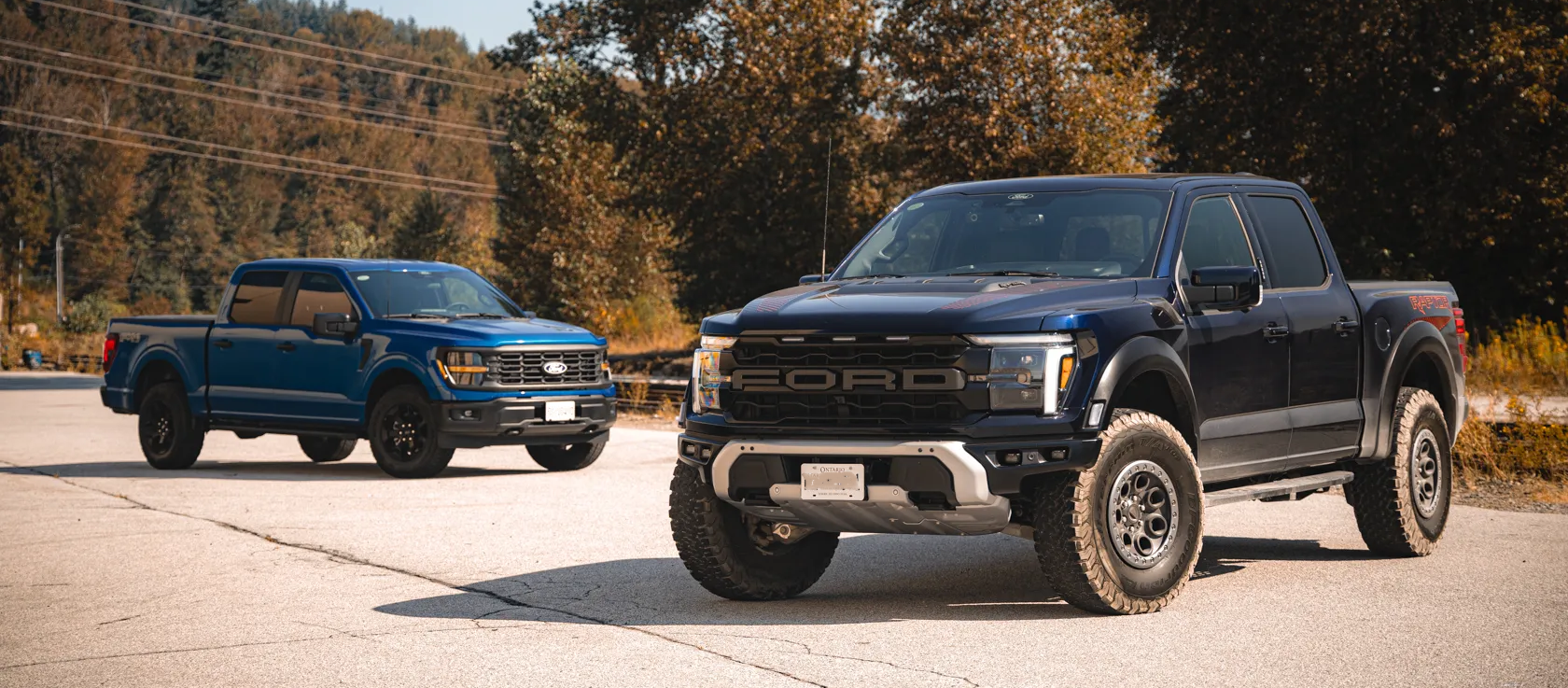
The hardest deals I work aren’t the ones with tough negotiators. They’re the ones where the customer picked the car first and the budget second. They test drive a fully loaded truck, fall in love, and then we spend two hours trying to make a payment work that was never going to work.
The fix is simple: know your number before you shop. Here’s how to find it.
Where car prices are right now
If you haven’t bought a car in a few years, brace yourself:
- The average new vehicle sold for $50,562 in September 2026, according to Kelley Blue Book.
- The average new-car loan was $43,610 at 6.35% APR, for about 69.5 months, according to Experian’s second-quarter 2026 data. That’s a payment of about $765 a month.
- The average used-car payment was around $540 a month, at an average rate over 11%.
Those are averages, not targets. Plenty of people buy for much less, and you should decide what’s right for your budget, not what everyone else is doing.
The payment isn’t the whole cost
The car payment is just the part the dealership talks about. AAA estimates that owning a new vehicle costs about $12,863 a year, or roughly $1,072 a month, once you add up depreciation, financing, insurance, fuel, maintenance and registration over five years and 75,000 miles.
Before you set a budget, account for:
- Insurance. This can swing by hundreds of dollars a month depending on the vehicle, your age, your driving record and where you live. Get a quote on the exact vehicle before you buy, not after you sign.
- Fuel or charging. A truck that gets 18 mpg costs a lot more to run than a hybrid that gets 40.
- Maintenance and tires. Bigger trucks and performance cars have bigger tires and bigger bills.
- Registration and taxes. Some states charge annual fees based on the vehicle’s value.
A simple rule of thumb: 20/4/10
A classic guideline for car buying is the 20/4/10 rule:
- 20% down payment
- 4-year (48-month) loan or shorter
- 10% or less of your gross monthly income on total car costs (payment, insurance and fuel)
Here’s what that 10% looks like:
| Annual income | 10% of monthly gross |
|---|---|
| $50,000 | about $417 a month |
| $75,000 | about $625 a month |
| $100,000 | about $833 a month |
Let’s be honest: with today’s prices, a lot of buyers can’t hit all three. Most loans are longer than four years now, and that’s not automatically a mistake. Treat 20/4/10 as a target, not a law. The closer you get, the less likely you are to end up stretched thin or owing more than the car is worth.
Work backward from the payment
Once you know what you can spend each month on the payment itself (after insurance and fuel), you can figure out how much car that buys. At a 6.35% rate, here’s roughly how much you can finance:
| Monthly payment | 48 months | 60 months | 72 months |
|---|---|---|---|
| $400 | $16,900 | $20,500 | $23,900 |
| $500 | $21,100 | $25,600 | $29,900 |
| $600 | $25,400 | $30,800 | $35,800 |
| $700 | $29,600 | $35,900 | $41,800 |
| $800 | $33,800 | $41,000 | $47,800 |
That’s the amount financed, after your down payment and trade-in, and including taxes and fees. Your rate depends on your credit, so the numbers shift if you’re in a higher or lower credit tier. (We broke down what each tier pays in our credit tiers guide.)
Why longer loans cost more
Stretching the term is the easiest way to lower a payment, and the most expensive. On the average new-car loan of $43,610 at 6.35%:
| Term | Payment | Total interest |
|---|---|---|
| 48 months | about $1,031 | about $5,900 |
| 60 months | about $850 | about $7,400 |
| 72 months | about $730 | about $8,900 |
| 84 months | about $644 | about $10,500 |
Going from 60 to 84 months saves about $206 a month but costs about $3,100 more in interest, and you’ll owe more than the car is worth for longer. That’s when 0% offers (like the ones running on several trucks and SUVs right now) * as of October 2026 become really valuable.
Yes, tell your salesperson your budget
You’ve probably read that you should never tell a salesperson what payment you want. I disagree. If I know your budget, I can point you to the right vehicle, the right trim and the right financing from the start, instead of walking you around the lot showing you things you can’t afford. Think of this logically our goal is to sell you a car the easiest way for us to accomplish our goal is to meet yours typically the biggest goal my customers have is the cost!
What you should do is look at more than the payment. When you see a number, ask:
- What’s the total price?
- What’s the term?
- What’s the rate?
- Is anything extra built in, like a warranty or protection package?
A payment that fits your budget because it’s stretched to 84 months, or because it includes products you didn’t ask for, isn’t the same deal.
Watch out for negative equity
If you owe more on your current car than it’s worth, that difference doesn’t disappear when you trade. It usually gets added to your new loan. Rolling $5,000 of negative equity into a new car means you start the new loan even further underwater. This creates a endless loop of debt that requires more money down every time you buy a car to keep your payment goal similar.
If you’re upside down, your options are to pay down the difference, keep your current car longer, or choose a less expensive vehicle so the total stays manageable. A rebate can help offset it, which is another reason to pay attention to incentives.
Your affordability checklist
- Figure out your monthly take-home pay and what you already spend on housing, debt and essentials.
- Set a total monthly car budget that includes the payment, insurance and fuel.
- Get an insurance quote on the vehicles you’re considering.
- Check your credit so you know roughly what rate to expect.
- Decide on a down payment and find out what your trade is worth and what you still owe on it.
- Work backward to a maximum amount financed, using the table above.
- Shop for vehicles that fit that number, not the other way around.
The bottom line
The right car is the one you can comfortably afford for the entire loan, not just the first month. Know your total budget, look at the full cost of ownership, and share your number with your salesperson. It makes the whole process faster, easier and a lot less stressful.
Price and payment figures are from Kelley Blue Book (September 2026), Experian (Q2 2026) and AAA’s 2026 Your Driving Costs study. Payment estimates are approximate and exclude taxes and fees unless noted. This post is for informational purposes and isn’t financial advice.
Comments
No comments yet.
Sign in with Google to comment